
 By
ByYou wake up on a winter morning, bundled in layers, coffee steaming in your hands—and as you step outside to tend to your flock, you find it. A rock-solid block of ice in the waterer. Again.
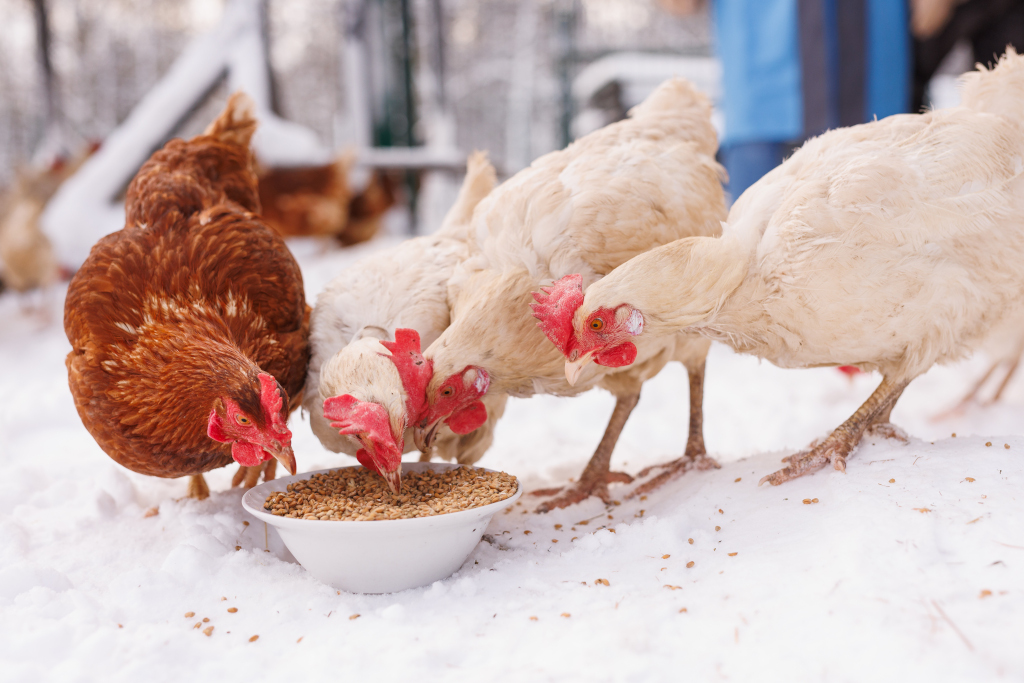
Your hens eye you suspiciously, like you’re holding back their drink on purpose. And it’s not just an inconvenience—chickens need access to fresh water to stay healthy, lay eggs, and regulate their body temperature. When water freezes, flock health quickly follows.
I’ve been there, scraping ice with frozen fingers while swearing under my breath and wondering if there was a better way. Turns out, there is. In fact, there are several—some simple, some clever, and some that feel like homestead magic.
When I hit my Breaking Point
A couple of years ago, during a particularly brutal cold snap, my heated waterer failed. I had no backup, and hauling buckets of hot water from the house five times a day just wasn’t sustainable. It left me exhausted, my hens stressed, and ice still winning.
That’s when I started researching—and experimenting—with ways to outsmart the freeze. From low-tech hacks to off-grid-friendly setups, here’s what worked (and what didn’t) to keep my chickens’ water flowing through the coldest days.
The Heated Waterer: Reliable but Needs Power
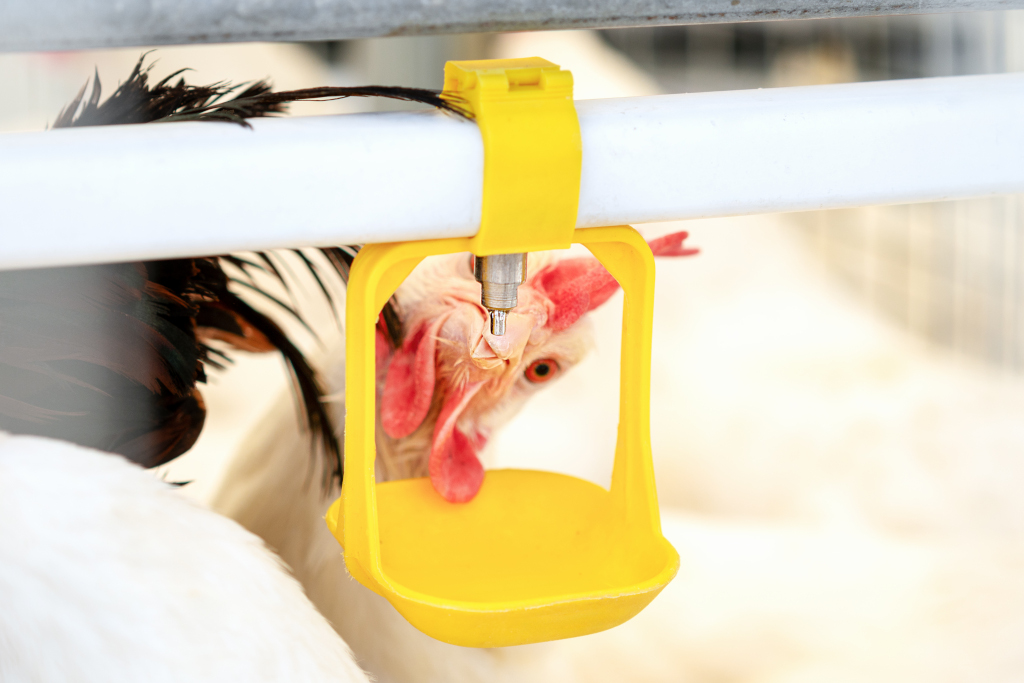
If you have electricity in your coop or run, a plug-in heated waterer or heated dog bowl is hands down the easiest and most consistent tool. I used one for three winters without trouble—until the year it shorted out mid-January.
Pro tip: Always plug it into a GFCI outlet for safety. And keep a backup plan on hand.
The Saltwater Bottle Trick: Small Hack, big Impact
This blew my mind the first time I tried it. Fill a plastic water bottle with a mix of salt and warm water, seal it tightly, and float it in your chickens’ water bowl. The saltwater doesn’t freeze easily and gently agitates the water as it bobs—just enough to delay icing.
Important: Do NOT add salt to the water your chickens drink. This only works if the saltwater is sealed inside the bottle.
Ping Pong Balls: Surprisingly Effective for Mild Frost
This one’s fun. Float a few ping pong balls in the water. Movement from pecking or even a light breeze keeps the surface from freezing solid—at least during mildly cold nights. I had decent luck with this during November cold spells when temps hovered around freezing.
Warm Water Refills: Old-school, but it Works
Before I had power at my coop, I simply carried warm water out in a kettle two to three times a day. It’s labor-intensive, yes—but even semi-warm water cools slowly enough to stay liquid for a few hours. Just make sure to use a container that can tolerate temperature swings.
Black Rubber Tubs: Solar-powered, Freeze-resistant
These became my winter MVP. Black rubber feed pans absorb sunlight and are easier to de-ice—just flex the edges and pop the ice out. I positioned mine in the sunniest corner of the run, and even on 20°F days, I noticed it stayed liquid a little longer than the plastic bowls.
Build a Water Shelter: Insulation is Your Ally
Last winter, I modified an old cooler into a mini water station. I cut a hole in the top, slid in the bowl, and added insulation using straw bales around it. You’d be amazed at how much longer the water stayed thawed, especially if the sun hit it midday.
Off-grid Overachievers: Stack Your Methods
No power? Combine defenses. Try this setup I tested last year:
- Large black rubber tub set in sunlight
- Saltwater bottle floating inside the tub
- Ping pong balls on top for extra movement
- Waterer is partially enclosed in an insulated shelter
This Franken-method carried me through multiple nights below 15°F without completely freezing. Not perfect—but better than carrying water every two hours!
But no Matter What… Check Daily
Here’s the truth most folks won’t tell you: No method is 100% freeze-proof once the deep cold hits. The best way to ensure your flock has access to drinkable water is to check and refresh it daily. Even the cleverest trick runs out of steam when temps dip below zero for days.
Wrap up: Your Winter Water Game Plan
Winter chicken keeping is no joke, but it doesn’t have to be miserable. Whether you’re running an off-grid homestead or have a well-wired coop, you can find a solution—or mix of solutions—that keeps your hens hydrated and happy. Try out a few of these tricks, see what works in your climate, and get ahead before the frost hits.
Because trust me, the only thing worse than scraping ice at 6 a.m. is doing it while guilty chickens glare at you.


