 By
ByAlthough formaldehyde is listed as a known carcinogen by the U.S. Department of Health and Human Services (HHS), humans will be exposed to this substance in the environment, at home, and in the workplace. It’s in soil, food, and water, not to mention one of the primary methods of exposure: indoor and outdoor air. And besides being a carcinogen, health effects include eye, nose, and throat irritation; wheezing and coughing; fatigue; skin rash; and severe allergic reactions, according to the EPA.
HHS added formaldehyde and aristolochic acids as “known human carcinogens” and listed captafol, cobalt-tungsten carbide (in powder or hard metal form), certain inhalable glass wool fibers, o-nitrotoluene, riddelliine, and styrene as substances that are “reasonably anticipated to be human carcinogens.”
The report was prepared for HHS by the National Toxicology Program (NTP). It identifies agents, substances, mixtures, or exposures in two categories: (a) known to be a human carcinogen, and (b) reasonably anticipated to be a human carcinogen. That said, whether known or anticipated, the development of cancer really depends on exposure and individual susceptibility.
Considering the focus of this site — sustainable homes, natural materials, and green technology — readers should pay attention to the characterization of three particular substances on the list. Here’s some info from HHS’s most recent press release on three key substances: formaldehyde, styrene, and inhalable glass wool fibers.
Formaldehyde – known human carcinogen:
Uses: “Formaldehyde is a colorless, flammable, strong-smelling chemical that is widely used to make resins for household items, such as composite wood products, paper product coatings, plastics, synthetic fibers, and textile finishes. Formaldehyde is also commonly used as a preservative in medical laboratories, mortuaries, and some consumer products, including some hair straightening products.”
Cancer: “Formaldehyde was first listed in the 2nd Report on Carcinogens as a substance that was reasonably anticipated to be a human carcinogen, after laboratory studies showed it caused nasal cancer in rats. There is now sufficient evidence from studies in humans to show that individuals with higher measures of exposure to formaldehyde are at increased risk for certain types of rare cancers, including nasopharyngeal (the nasopharynx is the upper part of the throat behind the nose), sinonasal, as well as a specific cancer of the white blood cells known as myeloid leukemia.”

Inhalable glass wool fibers – anticipated human carcinogen:
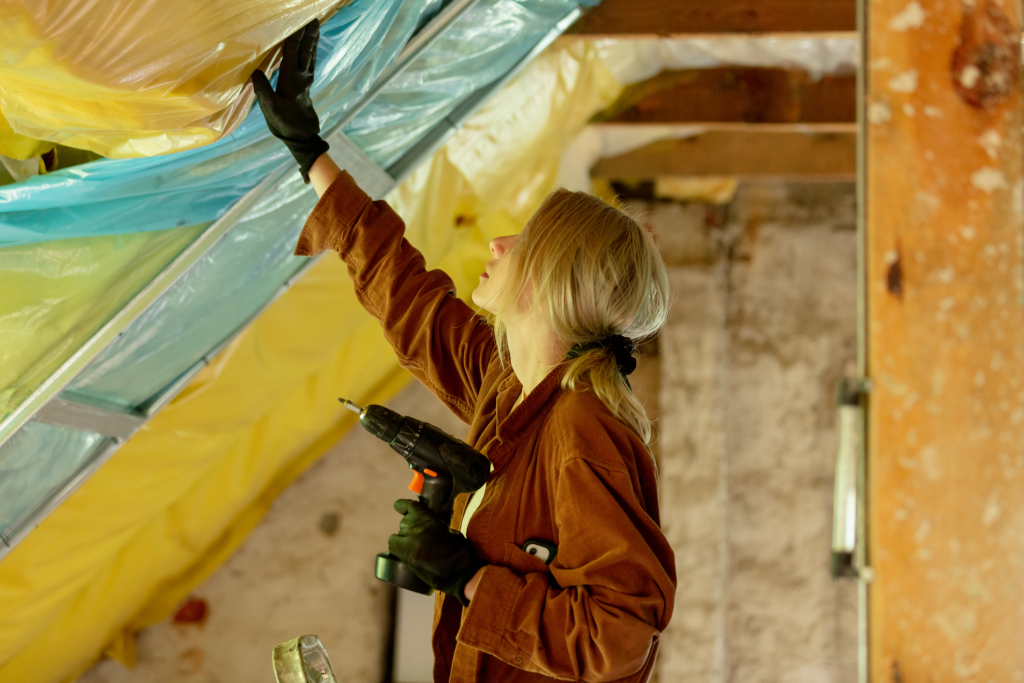
Uses: “Glass wool fibers generally fall into two categories for consumers: low-cost, general-purpose fibers, and premium, special-purpose fibers. The largest use of general-purpose glass wool is for home and building insulation, which appears to be less durable and less biopersistent, and thus less likely to cause cancer in humans.”
Cancer: “Certain inhalable glass wool fibers made the list based on experimental animal studies. Not all glass wool or man-made fibers were found to be carcinogenic. The specific glass wool fibers referred to in this report have been redefined from previous reports on carcinogens to include only those fibers that can enter the respiratory tract, are highly durable, and are biopersistent, meaning they remain in the lungs for long periods of time.”
Styrene – anticipated human carcinogen:
Uses: “Styrene is a synthetic chemical used worldwide in the manufacture of products such as rubber, plastic, insulation, fiberglass, pipes, automobile parts, food containers, and carpet backing. People may be exposed to styrene by breathing indoor air that has styrene vapors from building materials, tobacco smoke, and other products. The greatest exposure to styrene in the general population is through cigarette smoking. Workers in certain occupations may potentially be exposed to much higher levels of styrene than the general population.”
Cancer: “Styrene is on the list based on human cancer studies, laboratory animal studies, and mechanistic scientific information. The limited evidence of cancer from studies in humans shows lymphohematopoietic cancer and genetic damage in the white blood cells, or lymphocytes, of workers exposed to styrene.”
So here are a few things you can do to reduce exposure to formaldehyde:
(1) Ventilate – Increase ventilation, open windows and doors, or flush your home’s air, especially if a new source of formaldehyde is introduced in your home.
(2) Keep Cool – Use air conditioning and dehumidifiers to maintain a moderate temperature and reduce humidity levels. The release of formaldehyde accelerates with heat and may be connected to humidity.
(3) Choose Wisely – Use lower-emitting pressed wood and other building products, cabinets, and furniture. Search for products with ultra-low-emitting formaldehyde (ULEF) or no-added formaldehyde (NAF) resins.
(4) Ask Questions – Ask manufacturers about the composition and off-gassing of products when you are unsure about them.
(5) Pick Plants – Certain plants, like the money plant, remove formaldehyde and other VOCs from indoor air. If you have enough of them and the right kind, plants will help.
If you’re looking for more detailed research or science, the EPA maintains a page on formaldehyde with more background, rules, and resources.